
If you've never hired a concrete cutter before, it's hard to know what you're signing up for. How loud is it? How wet does it get? Do you need to be there? What happens if the crew hits something inside the slab? Most people find out on the day of the job, which is the worst time to learn there's a hose that needs a water spigot or a car that needs to move.
Here's how a typical concrete cutting job runs, start to finish, so you know what to have ready and what questions to ask.
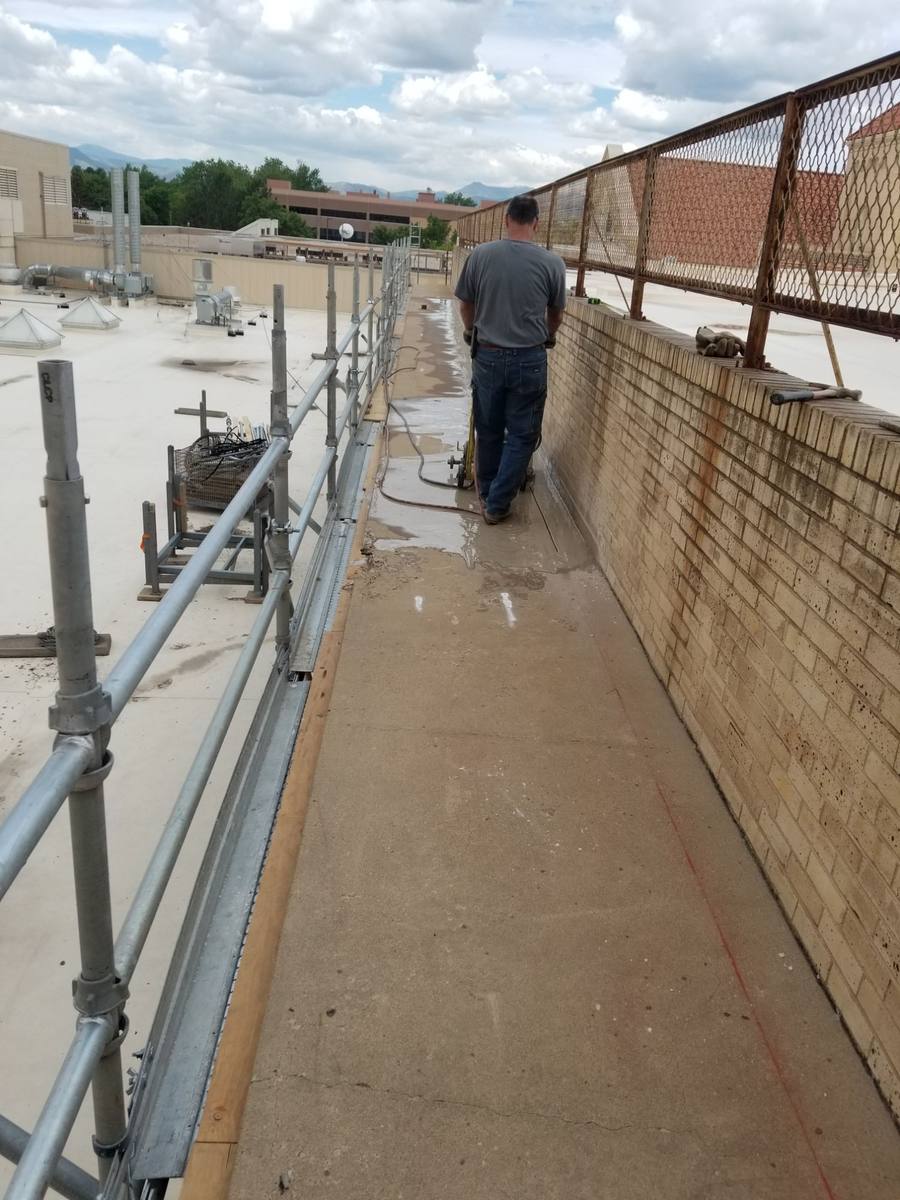
The First Call
The first conversation is about the job, not the price. Expect questions like these:
- What are you cutting? A slab, a wall, a footing, a driveway, a curb.
- How thick is it, and is there rebar or mesh in it? If you don't know, say so. That's normal.
- What does the finished opening need to be? A straight cut, a doorway, a trench, a round hole for a pipe.
- Where is it? Indoors or outdoors, ground level or upstairs, and how close a truck can get.
Photos and plans help a lot. A picture of the area with a tape measure in it answers half these questions at once. The answers decide which method fits the job: slab sawing, wall sawing, hand sawing, electric sawing or core drilling. (Not sure about the difference between the last two? Read Wall Sawing vs. Core Drilling.)
Before the Crew Shows Up
A few things are on you, and getting them done ahead of time keeps the job moving.
- Call 811 before any outdoor cut. Buried gas, power and water lines need to be marked before anyone cuts into the ground surface. It's free, and it's the law in most places.
- Find out what's inside the concrete. Indoor slabs and walls can hide conduit, plumbing or post-tension cables. If you have building plans, have them ready. On bigger commercial jobs, the GC may order a scan before cutting.
- Check on permits. Whether you need one depends on your city and the kind of work. Structural openings, work in the street and some exterior cuts often do. Check with your city's building department before the job is scheduled.
- Mark the cut. Know exactly where the lines go. The crew will lay them out with you, but the decision about where the opening goes is yours.
- Clear the area. Move vehicles, furniture, stored items and anything you don't want splashed with slurry.
Water, Slurry and Dust
Most concrete cutting is done wet. Water runs to the blade to keep it cool and keep the dust down. That water mixes with the cut concrete and turns into a gray slurry that runs wherever the ground slopes.
For you, that means two things. First, the crew usually needs a water source on site, like an outdoor spigot or a utility sink, so ask about it ahead of time. Second, the slurry has to be controlled and cleaned up. Outdoors, that usually means keeping it out of storm drains, which many cities regulate. Indoors, it means protecting floors and walls nearby. Ask the crew how they handle cleanup so nobody is surprised at the end of the day.
Dry cutting does happen on some jobs, but it creates silica dust that nobody should be breathing. If a job has to be cut dry, expect dust control and keep people and pets away from the area.
Noise and Disruption
Concrete saws are loud. Gas-powered saws are the loudest and need open air, so they're used outdoors. Electric saws are the usual choice indoors because there's no exhaust, but they're still loud. If you're cutting in an occupied building, let tenants or neighbors know when the work will happen. Check your city's rules on construction hours too.
On the Day
A typical cutting day goes like this:
- The crew walks the area with you and confirms the layout lines.
- They set up water, power if it's an electric saw, and any track or anchors the saw needs.
- They make the cuts. Deep or thick cuts are often made in several passes.
- Cut pieces are broken out or lifted out, depending on the size and the job.
- Slurry is cleaned up and the crew walks the finished cut with you.
You don't always need to be there for the whole job, but someone should be there at the start to confirm the lines and at the end to look over the work.
What Happens to the Concrete
Cutting and removal aren't always the same job. Some cutters haul away the pieces and some leave them stacked for your demolition or excavation crew. Big sections can weigh more than you'd expect and may need a machine to move. Ask who's handling removal and disposal before the job is booked so the pieces don't sit in your driveway for a week.
Questions Worth Asking
- Which cutting method fits this job, and why?
- What do you need from me on site: water, power, access?
- How do you handle slurry and cleanup?
- Are you hauling the concrete away, or is that a separate job?
- Are you licensed for this kind of work in my city?
A good cutter will answer all of these without hesitating. If the answers are vague, keep calling.
Talk It Through With Us
Spitellie Concrete Sawing is a family-run concrete sawing and core drilling company in Wheat Ridge, started in 1980 by Michael Spitellie's mother and father. We do slab sawing, electric sawing, wall sawing, hand sawing and core drilling for commercial and utility work, contractors, subcontractors and homeowners. If you've never hired a concrete cutter before, give us a call. We'll walk you through what your job needs.